
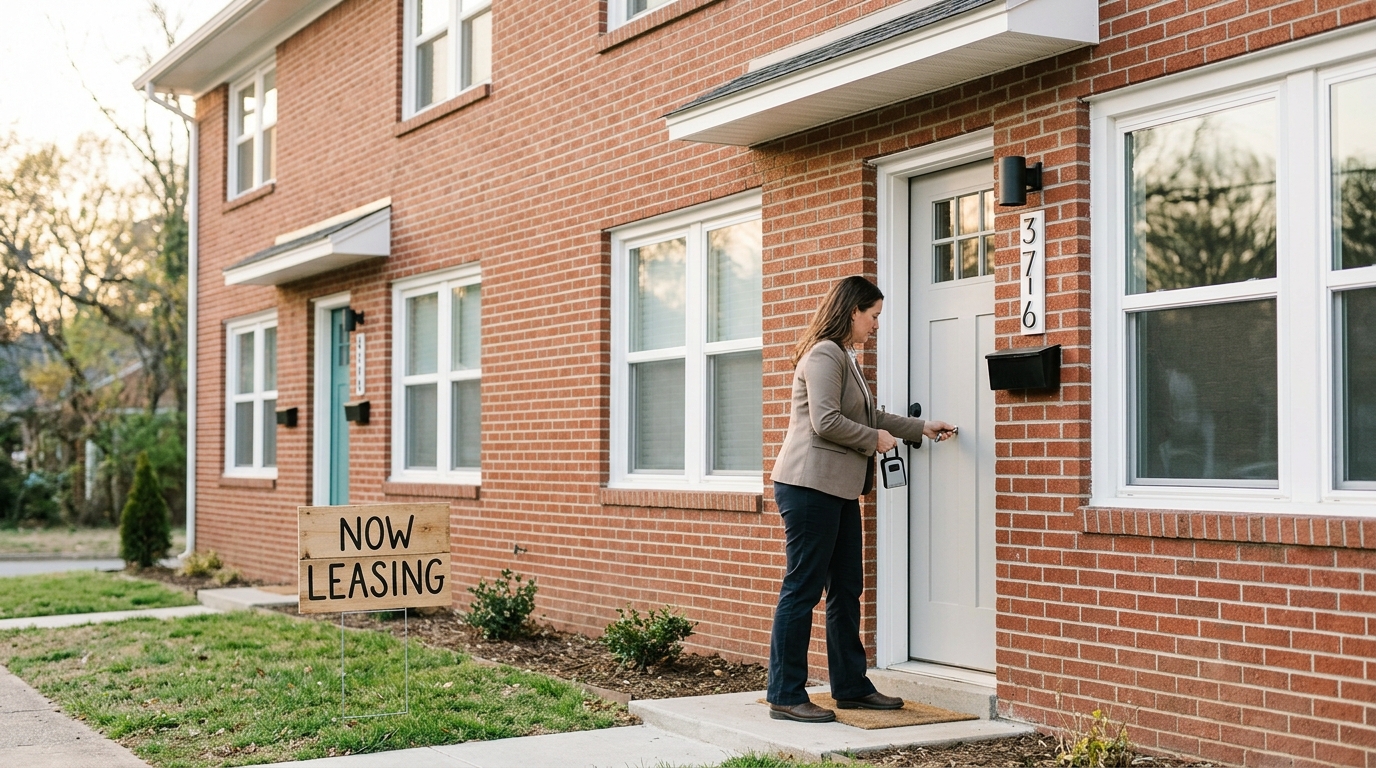
Refinancing out of a bridge loan on schedule means starting the takeout 90–120 days before maturity and matching a permanent loan to the stabilized property. This guide compares DSCR, conventional, portfolio, and sale exits.
Refinancing out of a bridge loan on schedule requires starting the takeout process 90–120 days before maturity, locking a permanent product that matches the property's stabilized profile, and having seasoning, rent, and valuation documentation ready before the payoff date. Most bridge loans run 6–24 months. Investors who begin underwriting in the final 30 days routinely pay for extensions, default interest, or a rushed, worse-priced loan.
Pick the Takeout Product Before You Close the Bridge
The exit strategy is a financing decision, not an afterthought. Each takeout product has different qualification rules, and the bridge loan business plan should be built to satisfy them.
| Takeout Option | Best For | Qualifies On | Typical Constraint |
|---|---|---|---|
| DSCR rental loan | Stabilized single-family, 2–4 unit, small multifamily | Property cash flow, usually 1.0–1.25x DSCR | Leased property, often 6–12 month seasoning rules at lower leverage |
| Conventional / agency | Borrowers with W-2 or tax return income | Personal income, credit, DTI | Slower closing, 1–4 financed property limits on some programs |
| Bank or credit union portfolio loan | Larger or mixed-use assets, relationship borrowers | Global cash flow, liquidity | Full documentation, recourse, slower timelines |
| Second bridge or extension | Lease-up or renovation delays | Equity and progress of the business plan | Added points and fees, repeated risk |
| Sale | Fix-and-flip or failed stabilization | Market price and buyer demand | Carry costs while listed |
For investors without W-2s, the DSCR loan is the most common exit because it underwrites the rent, not personal tax returns. Confirm the program's minimum DSCR, minimum credit score (commonly 660–700 for the best pricing), maximum loan-to-value, and prepayment penalty structure before you commit to a bridge term.
Build the Timeline Backward From Maturity
Work from the maturity date and assign a deadline to each step. A workable schedule for a 12-month bridge looks like this:
- Month 6–8: Confirm renovation is on pace. Order a draw inspection and update the budget. If you are behind by more than 60 days, decide now whether to request an extension.
- Month 8–9: Begin marketing for tenants or finalize leases. Collect rent rolls, lease agreements, and proof of security deposits.
- Month 9: Request term sheets from at least two permanent lenders. Compare rate, points, prepayment penalty, and appraisal requirements.
- Month 9–10: Submit the full application. Order the appraisal and title work.
- Month 10–11: Clear underwriting conditions. Obtain the payoff statement from the bridge lender.
- Month 11: Close with at least 15–30 days of buffer.
DSCR and commercial loans typically close in 21–45 days when documents are complete. Appraisal scheduling is the most common source of delay, so order it early and ask the lender about rush options.
Run the Numbers on Leverage and Appraised Value
The takeout loan must be large enough to repay the bridge loan plus closing costs. This is where many refinances fail. Test it with a simple calculation before you apply.
Example: a bridge loan balance of $420,000 including funded rehab, with accrued interest and fees of $12,000 and refinance closing costs of $9,000, requires a payoff need of roughly $441,000. If the property appraises at $600,000 and the DSCR lender caps cash-out refinance leverage at 70–75% LTV, the maximum loan is $420,000–$450,000. That deal barely works. An appraisal at $570,000 drops the maximum to $399,000–$427,500, and you must bring cash to closing.
Build in a cushion by underwriting your exit at an appraised value 5–8% below your projection. If the cushion eliminates the deal, negotiate a longer bridge term or lower leverage at origination.
Satisfy DSCR Math and Seasoning Rules
DSCR is calculated as gross monthly rent divided by PITIA (principal, interest, taxes, insurance, and association dues). A property renting for $3,000 with a $2,600 PITIA has a 1.15 DSCR. Many lenders accept 1.0 or lower with reduced leverage, but pricing improves above 1.20.
Two factors cause surprises:
- Seasoning: Some lenders require 6–12 months of ownership before they appraise at current value for a cash-out refinance. Otherwise they cap the loan at purchase price plus documented rehab. Ask each lender how it defines the cost basis and whether it recognizes renovation spend.
- Lease requirements: A signed lease with a deposit is standard. For vacant properties, some lenders use the appraiser's market rent estimate at reduced leverage. Others require a tenant in place.
Higher interest rates compress DSCR. Run your test at the actual quoted rate, not an estimate, and recheck it if the rate lock expires.
Prepare the Borrower File Early
Lenders order conditions late and expect fast answers. Assemble these items before you apply:
- Entity documents: operating agreement, EIN letter, certificate of good standing
- Government ID and credit authorization for each guarantor
- Two months of bank statements showing required reserves, typically 3–6 months of PITIA
- Current insurance binder with proper mortgagee clause and landlord coverage
- Schedule of real estate owned
- Bridge loan payoff request and final draw documentation
Borrowers with derogatory credit events, such as a prior foreclosure, short sale, or bankruptcy, should disclose them up front. Many non-QM programs require a 24–48 month waiting period, and some allow shorter periods at lower leverage. Surprises at the underwriting stage cost weeks you do not have.
Know Your Fallback Options Before You Need Them
Even a well-planned exit can slip because of contractor delays, municipal inspection backlogs, or a low appraisal. Prepare three contingencies:
- Negotiate an extension early. Most bridge lenders offer one or two extensions of 3–6 months for a fee, commonly 0.25–1.00% of the balance, if requested 30–60 days before maturity and the loan is current. Ask for the extension terms at origination.
- Reduce the loan amount. If the appraisal comes in low, bring cash to closing or pay down the bridge loan to hit the permitted LTV.
- Sell. List the property 60–90 days before maturity if the refinance looks uncertain. A signed contract often convinces a bridge lender to grant a short forbearance.
Default interest, often 4–5 points above the note rate, and late fees apply once you pass maturity. A lender facing a balloon default may begin foreclosure after 30–90 days, depending on the loan documents and state law. Contact the lender before maturity, not after.
Compare the True Cost of Refinancing Versus Extending
An extension costs less in fees but keeps you in a higher-rate loan. A refinance has closing costs but cuts the carry. Compare them directly:
- Bridge extension: 0.5% fee on a $400,000 balance is $2,000, plus 3 more months at 10–12% interest, about $10,000–$12,000.
- DSCR refinance: 1–2 points ($4,000–$8,000), appraisal and title ($2,500–$4,500), and a 7% rate, about $7,000 in interest over the same 3 months.
The refinance usually wins if the property qualifies. The extension wins when the refinance would force a poor rate, a heavy prepayment penalty, or a cash-in you cannot support.
Bridge Loan Refinance FAQ
How early should I start refinancing a bridge loan?
Start 90–120 days before maturity. This leaves time for term sheet comparison, appraisal, underwriting conditions, and a 15–30 day closing buffer.
Can I refinance a bridge loan without W-2 income?
Yes. DSCR loans qualify the property on rental income versus PITIA, so tax returns and W-2s are not required. You still need credit, reserves, and a leased or rentable property.
What happens if my bridge loan matures before I refinance?
The lender can charge default interest, often 4–5 points above the note rate, plus late fees, and may start foreclosure proceedings. Request an extension 30–60 days before maturity to avoid default.
What LTV can I expect on a DSCR refinance out of a bridge loan?
Cash-out refinances typically cap at 70–75% LTV, and rate-and-term refinances can reach 75–80% for strong borrowers. Leverage drops if the property is vacant, the DSCR is below 1.0, or the credit score is under 680.
Is it better to extend the bridge loan or refinance?
Refinance when the property meets DSCR, seasoning, and LTV requirements, since permanent rates are usually several points lower. Extend when a low appraisal, vacancy, or incomplete renovation would result in worse terms.